mtStart = $this->getMicroTime(); $this->nbQueries = 0; $this->lastResult = NULL; mysql_connect($server, $user, $pass) or die('Server connexion not possible.'); mysql_select_db($base) or die('Database connexion not possible.'); mysql_set_charset('utf8'); } /** Query the database. * @param $query The query. * @param $debug If true, it output the query and the resulting table. * @return The result of the query, to use with fetchNextObject(). */ function query($query, $debug = -1) { $this->nbQueries++; $this->lastResult = mysql_query($query) or $this->debugAndDie($query); $this->debug($debug, $query, $this->lastResult); return $this->lastResult; } /** Do the same as query() but do not return nor store result.\n * Should be used for INSERT, UPDATE, DELETE... * @param $query The query. * @param $debug If true, it output the query and the resulting table. */ function execute($query, $debug = -1) { $this->nbQueries++; mysql_query($query) or $this->debugAndDie($query); $this->debug($debug, $query); } /** Convenient method for mysql_fetch_object(). * @param $result The ressource returned by query(). If NULL, the last result returned by query() will be used. * @return An object representing a data row. */ function fetchNextObject($result = NULL) { if ($result == NULL) $result = $this->lastResult; if ($result == NULL || mysql_num_rows($result) < 1) return NULL; else return mysql_fetch_object($result); } function fetchNextArray($result = NULL) { if ($result == NULL) $result = $this->lastResult; if ($result == NULL || mysql_num_rows($result) < 1) return NULL; else return mysql_fetch_array($result); } function fetchNextObjectArray($result = NULL) { if ($result == NULL) $result = $this->lastResult; if ($result == NULL || mysql_num_rows($result) < 1) return NULL; else return mysql_fetch_array($result); } /** Get the number of rows of a query. * @param $result The ressource returned by query(). If NULL, the last result returned by query() will be used. * @return The number of rows of the query (0 or more). */ function numRows($result = NULL) { if ($result == NULL) return mysql_num_rows($this->lastResult); else return mysql_num_rows($result); } /** Get the result of the query as an object. The query should return a unique row.\n * Note: no need to add "LIMIT 1" at the end of your query because * the method will add that (for optimisation purpose). * @param $query The query. * @param $debug If true, it output the query and the resulting row. * @return An object representing a data row (or NULL if result is empty). */ function queryUniqueObject($query, $debug = -1) { $query = "$query LIMIT 1"; $this->nbQueries++; $result = mysql_query($query) or $this->debugAndDie($query); $this->debug($debug, $query, $result); return mysql_fetch_object($result); } function queryUniqueArray($query, $debug = -1) { $query = "$query LIMIT 1"; $this->nbQueries++; $result = mysql_query($query) or $this->debugAndDie($query); $this->debug($debug, $query, $result); return mysql_fetch_array($result); } /** Get the result of the query as value. The query should return a unique cell.\n * Note: no need to add "LIMIT 1" at the end of your query because * the method will add that (for optimisation purpose). * @param $query The query. * @param $debug If true, it output the query and the resulting value. * @return A value representing a data cell (or NULL if result is empty). */ function queryUniqueValue($query, $debug = -1) { $query = "$query LIMIT 1"; $this->nbQueries++; $result = mysql_query($query) or $this->debugAndDie($query); $line = mysql_fetch_row($result); $this->debug($debug, $query, $result); return $line[0]; } /** Get the maximum value of a column in a table, with a condition. * @param $column The column where to compute the maximum. * @param $table The table where to compute the maximum. * @param $where The condition before to compute the maximum. * @return The maximum value (or NULL if result is empty). */ function maxOf($column, $table, $where) { return $this->queryUniqueValue("SELECT MAX(`$column`) FROM `$table` WHERE $where"); } /** Get the maximum value of a column in a table. * @param $column The column where to compute the maximum. * @param $table The table where to compute the maximum. * @return The maximum value (or NULL if result is empty). */ function maxOfAll($column, $table) { return $this->queryUniqueValue("SELECT MAX(`$column`) FROM `$table`"); } /** Get the count of rows in a table, with a condition. * @param $table The table where to compute the number of rows. * @param $where The condition before to compute the number or rows. * @return The number of rows (0 or more). */ function countOf($table, $where) { return $this->queryUniqueValue("SELECT COUNT(*) FROM `$table` WHERE $where"); } /** Get the count of rows in a table. * @param $table The table where to compute the number of rows. * @return The number of rows (0 or more). */ function countOfAll($table) { return $this->queryUniqueValue("SELECT COUNT(*) FROM `$table`"); } /** Internal function to debug when MySQL encountered an error, * even if debug is set to Off. * @param $query The SQL query to echo before diying. */ function debugAndDie($query) { $this->debugQuery($query, "Error"); die("

".mysql_error()."

"); } /** Internal function to debug a MySQL query.\n * Show the query and output the resulting table if not NULL. * @param $debug The parameter passed to query() functions. Can be boolean or -1 (default). * @param $query The SQL query to debug. * @param $result The resulting table of the query, if available. */ function debug($debug, $query, $result = NULL) { if ($debug === -1 && $this->defaultDebug === false) return; if ($debug === false) return; $reason = ($debug === -1 ? "Default Debug" : "Debug"); $this->debugQuery($query, $reason); if ($result == NULL) echo "

Number of affected rows: ".mysql_affected_rows()."

"; else $this->debugResult($result); } /** Internal function to output a query for debug purpose.\n * Should be followed by a call to debugResult() or an echo of "". * @param $query The SQL query to debug. * @param $reason The reason why this function is called: "Default Debug", "Debug" or "Error". */ function debugQuery($query, $reason = "Debug") { $color = ($reason == "Error" ? "red" : "orange"); echo "
". "

". "$reason: ". "".htmlentities($query)."

"; } /** Internal function to output a table representing the result of a query, for debug purpose.\n * Should be preceded by a call to debugQuery(). * @param $result The resulting table of the query. */ function debugResult($result) { echo "". ""; $numFields = mysql_num_fields($result); // BEGIN HEADER $tables = array(); $nbTables = -1; $lastTable = ""; $fields = array(); $nbFields = -1; while ($column = mysql_fetch_field($result)) { if ($column->table != $lastTable) { $nbTables++; $tables[$nbTables] = array("name" => $column->table, "count" => 1); } else $tables[$nbTables]["count"]++; $lastTable = $column->table; $nbFields++; $fields[$nbFields] = $column->name; } for ($i = 0; $i <= $nbTables; $i++) echo ""; echo ""; echo ""; for ($i = 0; $i <= $nbFields; $i++) echo ""; echo ""; // END HEADER while ($row = mysql_fetch_array($result)) { echo ""; for ($i = 0; $i < $numFields; $i++) echo ""; echo ""; } echo "
".$tables[$i]["name"]."
".$fields[$i]."
".htmlentities($row[$i])."
"; $this->resetFetch($result); } /** Get how many time the script took from the begin of this object. * @return The script execution time in seconds since the * creation of this object. */ function getExecTime() { return round(($this->getMicroTime() - $this->mtStart) * 1000) / 1000; } /** Get the number of queries executed from the begin of this object. * @return The number of queries executed on the database server since the * creation of this object. */ function getQueriesCount() { return $this->nbQueries; } /** Go back to the first element of the result line. * @param $result The resssource returned by a query() function. */ function resetFetch($result) { if (mysql_num_rows($result) > 0) mysql_data_seek($result, 0); } /** Get the id of the very last inserted row. * @return The id of the very last inserted row (in any table). */ function lastInsertedId() { return mysql_insert_id(); } /** Close the connexion with the database server.\n * It's usually unneeded since PHP do it automatically at script end. */ function close() { mysql_close(); } /** Internal method to get the current time. * @return The current time in seconds with microseconds (in float format). */ function getMicroTime() { list($msec, $sec) = explode(' ', microtime()); return floor($sec / 1000) + $msec; } } // class DB ?>
  • purezza-tisana
  • recla
  • knodel-speck
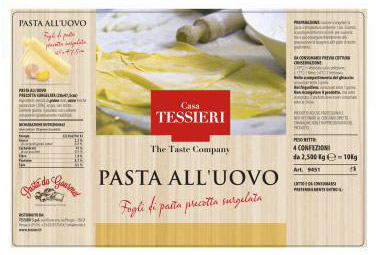
  • tessieri
  • deo-spray
  • forst
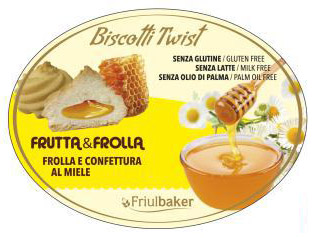
  • biscotti-swist
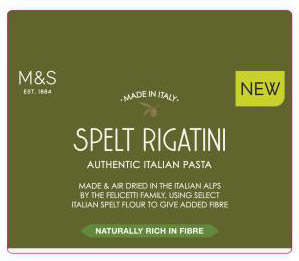
  • spelt-righatini
  • felinese
  • bio-bebe

BEL ha ideato per te il programma Easy LaBEL System®

Il sistema permette alle aziende di delegare completamente la gestione del processo di creazione delle etichette grazie al team di esperti di BEL, che affiancano il cliente per consigliargli ogni volta le soluzioni più indicate al proprio caso.

Dall’analisi del prodotto al parere di fattibilità, dalla scelta dei materiali alle prove colore, dalla stampa al riassortimento. Ogni fase è studiata con cura e progettata per arrivare all’obiettivo finale: la completa soddisfazione del cliente con un prodotto esteticamente piacevole, durevole e riordinabile facilmente.

Il sistema Easy LaBEL System® comprende:

Consulenza e assistenza. BEL supporta il cliente fin dai primi passi, fornendo una consulenza specifica per la selezione dei materiali e per le soluzioni tecniche più indicate, valutando la fattibilità e fornendo corrette previsioni del risultato finale del progetto.

Selezione e test dei materiali. Una volta consigliate le modalità, pianificati tempi e modi, BEL effettua delle prove specifiche, sia per prevenire forniture non idonee, sia per selezionare costantemente fornitori alternativi che consentano prezzi competitivi, materiali conformi e sostituibilità in caso di emergenza.

Flessibilità e massima personalizzazione. BEL genera dei servizi “taylor made”, perciò ogni fase della progettazione e realizzazione di Easy LaBEL System viene calcolato sulla base di una procedura standard, dall’efficacia comprovata, ma viene poi adattata sulla base delle specifiche esigenze del cliente (per quanto riguarda l’imballo, il confezionamento, le spedizioni, la logistica, il ritiro, ecc.).

Ottimizzazione delle spese di logistica. BEL è molto attenta a supportare i clienti gestendo al meglio le dinamiche di riassortimento. Attraverso la formula dei “contratti aperti” vengono definiti con i clienti i volumi dei consumi annuali e gestiti al meglio i riordini mensili. In alternativa, BEL monitora attentamente gli acquisti dei clienti e diventa proattiva nell’analisi dei consumi cercando di evitare il più possibile situazioni per le quali il cliente si trovi senza prodotto e necessiti di un riassortimento in tempi troppo ristretti. In questo modo gli acquisiti vengono gestiti al meglio con un beneficio per il cliente sia in termini di pianificazione che di prezzi di acquisto.
Ottimizzazione di tempi e materiali. Grazie ai bassissimi livelli di non conformità BEL può vantare performance eccellenti, che, nel corso degli anni, hanno reso l’azienda famosa per il suo lavoro scrupoloso. BEL offre al cliente l’approccio: soddisfatto o rimborsato. Nei casi, eccezionali, di non conformità, l’azienda interviene prontamente con la sostituzione dei pezzi non idonei senza costi aggiuntivi per il cliente.

Vuoi toccare con mano
la semplicità e l’efficacia di Easy LaBEL System®?

Contattaci subito e ti faremo scoprire tutti i vantaggi del collaborare con BEL per le tue etichette.