mtStart = $this->getMicroTime(); $this->nbQueries = 0; $this->lastResult = NULL; mysql_connect($server, $user, $pass) or die('Server connexion not possible.'); mysql_select_db($base) or die('Database connexion not possible.'); mysql_set_charset('utf8'); } /** Query the database. * @param $query The query. * @param $debug If true, it output the query and the resulting table. * @return The result of the query, to use with fetchNextObject(). */ function query($query, $debug = -1) { $this->nbQueries++; $this->lastResult = mysql_query($query) or $this->debugAndDie($query); $this->debug($debug, $query, $this->lastResult); return $this->lastResult; } /** Do the same as query() but do not return nor store result.\n * Should be used for INSERT, UPDATE, DELETE... * @param $query The query. * @param $debug If true, it output the query and the resulting table. */ function execute($query, $debug = -1) { $this->nbQueries++; mysql_query($query) or $this->debugAndDie($query); $this->debug($debug, $query); } /** Convenient method for mysql_fetch_object(). * @param $result The ressource returned by query(). If NULL, the last result returned by query() will be used. * @return An object representing a data row. */ function fetchNextObject($result = NULL) { if ($result == NULL) $result = $this->lastResult; if ($result == NULL || mysql_num_rows($result) < 1) return NULL; else return mysql_fetch_object($result); } function fetchNextArray($result = NULL) { if ($result == NULL) $result = $this->lastResult; if ($result == NULL || mysql_num_rows($result) < 1) return NULL; else return mysql_fetch_array($result); } function fetchNextObjectArray($result = NULL) { if ($result == NULL) $result = $this->lastResult; if ($result == NULL || mysql_num_rows($result) < 1) return NULL; else return mysql_fetch_array($result); } /** Get the number of rows of a query. * @param $result The ressource returned by query(). If NULL, the last result returned by query() will be used. * @return The number of rows of the query (0 or more). */ function numRows($result = NULL) { if ($result == NULL) return mysql_num_rows($this->lastResult); else return mysql_num_rows($result); } /** Get the result of the query as an object. The query should return a unique row.\n * Note: no need to add "LIMIT 1" at the end of your query because * the method will add that (for optimisation purpose). * @param $query The query. * @param $debug If true, it output the query and the resulting row. * @return An object representing a data row (or NULL if result is empty). */ function queryUniqueObject($query, $debug = -1) { $query = "$query LIMIT 1"; $this->nbQueries++; $result = mysql_query($query) or $this->debugAndDie($query); $this->debug($debug, $query, $result); return mysql_fetch_object($result); } function queryUniqueArray($query, $debug = -1) { $query = "$query LIMIT 1"; $this->nbQueries++; $result = mysql_query($query) or $this->debugAndDie($query); $this->debug($debug, $query, $result); return mysql_fetch_array($result); } /** Get the result of the query as value. The query should return a unique cell.\n * Note: no need to add "LIMIT 1" at the end of your query because * the method will add that (for optimisation purpose). * @param $query The query. * @param $debug If true, it output the query and the resulting value. * @return A value representing a data cell (or NULL if result is empty). */ function queryUniqueValue($query, $debug = -1) { $query = "$query LIMIT 1"; $this->nbQueries++; $result = mysql_query($query) or $this->debugAndDie($query); $line = mysql_fetch_row($result); $this->debug($debug, $query, $result); return $line[0]; } /** Get the maximum value of a column in a table, with a condition. * @param $column The column where to compute the maximum. * @param $table The table where to compute the maximum. * @param $where The condition before to compute the maximum. * @return The maximum value (or NULL if result is empty). */ function maxOf($column, $table, $where) { return $this->queryUniqueValue("SELECT MAX(`$column`) FROM `$table` WHERE $where"); } /** Get the maximum value of a column in a table. * @param $column The column where to compute the maximum. * @param $table The table where to compute the maximum. * @return The maximum value (or NULL if result is empty). */ function maxOfAll($column, $table) { return $this->queryUniqueValue("SELECT MAX(`$column`) FROM `$table`"); } /** Get the count of rows in a table, with a condition. * @param $table The table where to compute the number of rows. * @param $where The condition before to compute the number or rows. * @return The number of rows (0 or more). */ function countOf($table, $where) { return $this->queryUniqueValue("SELECT COUNT(*) FROM `$table` WHERE $where"); } /** Get the count of rows in a table. * @param $table The table where to compute the number of rows. * @return The number of rows (0 or more). */ function countOfAll($table) { return $this->queryUniqueValue("SELECT COUNT(*) FROM `$table`"); } /** Internal function to debug when MySQL encountered an error, * even if debug is set to Off. * @param $query The SQL query to echo before diying. */ function debugAndDie($query) { $this->debugQuery($query, "Error"); die("

".mysql_error()."

"); } /** Internal function to debug a MySQL query.\n * Show the query and output the resulting table if not NULL. * @param $debug The parameter passed to query() functions. Can be boolean or -1 (default). * @param $query The SQL query to debug. * @param $result The resulting table of the query, if available. */ function debug($debug, $query, $result = NULL) { if ($debug === -1 && $this->defaultDebug === false) return; if ($debug === false) return; $reason = ($debug === -1 ? "Default Debug" : "Debug"); $this->debugQuery($query, $reason); if ($result == NULL) echo "

Number of affected rows: ".mysql_affected_rows()."

"; else $this->debugResult($result); } /** Internal function to output a query for debug purpose.\n * Should be followed by a call to debugResult() or an echo of "". * @param $query The SQL query to debug. * @param $reason The reason why this function is called: "Default Debug", "Debug" or "Error". */ function debugQuery($query, $reason = "Debug") { $color = ($reason == "Error" ? "red" : "orange"); echo "
". "

". "$reason: ". "".htmlentities($query)."

"; } /** Internal function to output a table representing the result of a query, for debug purpose.\n * Should be preceded by a call to debugQuery(). * @param $result The resulting table of the query. */ function debugResult($result) { echo "". ""; $numFields = mysql_num_fields($result); // BEGIN HEADER $tables = array(); $nbTables = -1; $lastTable = ""; $fields = array(); $nbFields = -1; while ($column = mysql_fetch_field($result)) { if ($column->table != $lastTable) { $nbTables++; $tables[$nbTables] = array("name" => $column->table, "count" => 1); } else $tables[$nbTables]["count"]++; $lastTable = $column->table; $nbFields++; $fields[$nbFields] = $column->name; } for ($i = 0; $i <= $nbTables; $i++) echo ""; echo ""; echo ""; for ($i = 0; $i <= $nbFields; $i++) echo ""; echo ""; // END HEADER while ($row = mysql_fetch_array($result)) { echo ""; for ($i = 0; $i < $numFields; $i++) echo ""; echo ""; } echo "
".$tables[$i]["name"]."
".$fields[$i]."
".htmlentities($row[$i])."
"; $this->resetFetch($result); } /** Get how many time the script took from the begin of this object. * @return The script execution time in seconds since the * creation of this object. */ function getExecTime() { return round(($this->getMicroTime() - $this->mtStart) * 1000) / 1000; } /** Get the number of queries executed from the begin of this object. * @return The number of queries executed on the database server since the * creation of this object. */ function getQueriesCount() { return $this->nbQueries; } /** Go back to the first element of the result line. * @param $result The resssource returned by a query() function. */ function resetFetch($result) { if (mysql_num_rows($result) > 0) mysql_data_seek($result, 0); } /** Get the id of the very last inserted row. * @return The id of the very last inserted row (in any table). */ function lastInsertedId() { return mysql_insert_id(); } /** Close the connexion with the database server.\n * It's usually unneeded since PHP do it automatically at script end. */ function close() { mysql_close(); } /** Internal method to get the current time. * @return The current time in seconds with microseconds (in float format). */ function getMicroTime() { list($msec, $sec) = explode(' ', microtime()); return floor($sec / 1000) + $msec; } } // class DB ?>
  • purezza-tisana
  • recla
  • knodel-speck
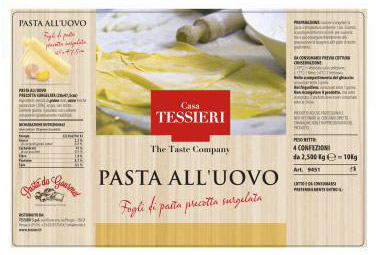
  • tessieri
  • deo-spray
  • forst
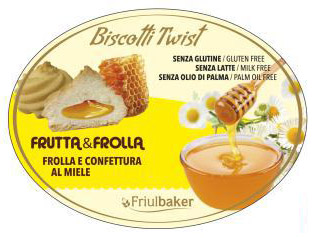
  • biscotti-swist
  • spelt-righatini
  • felinese
  • bio-bebe

10.000 Fallstudien und eine über 50 jährige Erfahrung mit wichtigen Unternehmen schenken BEL die richtigen Kompetenzen und Technologien um Ihnen eine komplette Dienstleistung zu bieten und die idealen Etiketten für Sie zu realisieren

Das System ist ein vollständiges Programm, welches auf die Bedürfnisse des einzelnen Kunden, auf die Eigenschaften, die seine Produkte charakterisieren, auf seinen Produktionsmengen und auf seine Etikettierungs- und Nachbestellungszeiten zugeschnitten ist.

Das Experten-Team von BEL steht dem Kunden ständig zu Seite und bietet ihm in jeder Situation die richtigen Lösungen. Dies ermöglicht dem Kunden den Etikettenherstellungsprozess komplett zu delegieren.

Von der Analyse des Produkts bis zur Beurteilung der Ausführbarkeit des Projekts, von der Auswahl der Materialien bis zu den Farbproben, vom Druckprozess bis zur Nachbestellung, wird jede Phase sorgfältig geplant und entwickelt. Das Ziel dieses Systems ist die vollständige Kundenzufriedenheit durch ein ansprechendes, zuverlässiges und leicht wiederbestellbares Produkt.

Das Easy LaBEL System® beinhaltet:

Beratung und technische Unterstützung. BEL unterstützt den Kunden schon in den ersten Schritten, durch eine spezialisierte Beratung in der Auswahl der Werkstoffe und die geeignete technischen Lösungen, die sich fürs Projekt besser eignen. Es wird die Ausführbarkeit bewertet und eine realistische Vorhersage des Endergebnisses geliefert.

Auswahl und Test der Materialien. Nach der Beratungsphase und nach der Planung der Arbeitszeiten und der Methoden, führt BEL spezifische Tests durch, um fehlerhafte Lieferungen zu vermeiden. Es werden außerdem ständig alternative Lieferanten bewertet, die kompetitive Preise und einheitliche Materialien bieten und im Bedarfsfall eine schnelle Ersetzbarkeit erlauben.

Optimierung der Kundenbestellungen. BEL legt großen Wert darauf, die Kunden in der Verwaltung der Nachbestellungen zu unterstützen. Durch die Möglichkeit der "offenen Verträge" werden die jährlichen Verbrauchsmengen mit den Kunden definiert und die monatliche Nachbestellungen optimal verwaltet. Alternativ überwacht BEL sorgfältig die Kundenbestellungen und analysiert proaktiv die Verbrauchsströme, um Situationen zu vermeiden, in denen der Kunde sich ohne Produkt befindet und es nicht genug Zeit für eine Nachbestellung gibt. Auf diese Weise werden die Bestellungen optimal verwaltet, was für den Kunden sowohl in Bezug auf die Einkaufsplanung als auch auf die Einkaufspreise von großem Nutzen ist.

System für das Management von Nichtkonformitäten. Dank des sehr geringen Auftretens von Nichtkonformitäten kann BEL ausgezeichnete Leistungen vorweisen, die das Unternehmen im Laufe der Jahre wegen seiner gewissenhaften Arbeitsweise berühmt gemacht haben. BEL bietet dem Kunden die Form: “zufrieden oder erstattet“. Sollten ausnahmsweise Nichtkonformitäten auftreten, greift das Unternehmen umgehend ein und ersetzt ungeeignete Teile ohne zusätzliche Kosten für den Kunden.
Optimierung der Zeiten und der Materialien. Dank einem sehr niedrigen Nichteinhaltungsgrad (weit unter dem Marktdurchschnitt), ist die Firma BEL für Ihre gewissenhafte Arbeitsweise berühmt geworden. Ein Beispiel des besten “made in Italy“ Dienst, eine Garantie für hohe Planungskompetenz.

Möchten Sie mit eigenen Augen die Einfachheit und Wirksamkeit des Easy LaBEL System® sehen?

Kontaktieren Sie uns sofort und entdecken Sie alle Vorteile einer Zusammenarbeit mit BEL!