mtStart = $this->getMicroTime(); $this->nbQueries = 0; $this->lastResult = NULL; mysql_connect($server, $user, $pass) or die('Server connexion not possible.'); mysql_select_db($base) or die('Database connexion not possible.'); mysql_set_charset('utf8'); } /** Query the database. * @param $query The query. * @param $debug If true, it output the query and the resulting table. * @return The result of the query, to use with fetchNextObject(). */ function query($query, $debug = -1) { $this->nbQueries++; $this->lastResult = mysql_query($query) or $this->debugAndDie($query); $this->debug($debug, $query, $this->lastResult); return $this->lastResult; } /** Do the same as query() but do not return nor store result.\n * Should be used for INSERT, UPDATE, DELETE... * @param $query The query. * @param $debug If true, it output the query and the resulting table. */ function execute($query, $debug = -1) { $this->nbQueries++; mysql_query($query) or $this->debugAndDie($query); $this->debug($debug, $query); } /** Convenient method for mysql_fetch_object(). * @param $result The ressource returned by query(). If NULL, the last result returned by query() will be used. * @return An object representing a data row. */ function fetchNextObject($result = NULL) { if ($result == NULL) $result = $this->lastResult; if ($result == NULL || mysql_num_rows($result) < 1) return NULL; else return mysql_fetch_object($result); } function fetchNextArray($result = NULL) { if ($result == NULL) $result = $this->lastResult; if ($result == NULL || mysql_num_rows($result) < 1) return NULL; else return mysql_fetch_array($result); } function fetchNextObjectArray($result = NULL) { if ($result == NULL) $result = $this->lastResult; if ($result == NULL || mysql_num_rows($result) < 1) return NULL; else return mysql_fetch_array($result); } /** Get the number of rows of a query. * @param $result The ressource returned by query(). If NULL, the last result returned by query() will be used. * @return The number of rows of the query (0 or more). */ function numRows($result = NULL) { if ($result == NULL) return mysql_num_rows($this->lastResult); else return mysql_num_rows($result); } /** Get the result of the query as an object. The query should return a unique row.\n * Note: no need to add "LIMIT 1" at the end of your query because * the method will add that (for optimisation purpose). * @param $query The query. * @param $debug If true, it output the query and the resulting row. * @return An object representing a data row (or NULL if result is empty). */ function queryUniqueObject($query, $debug = -1) { $query = "$query LIMIT 1"; $this->nbQueries++; $result = mysql_query($query) or $this->debugAndDie($query); $this->debug($debug, $query, $result); return mysql_fetch_object($result); } function queryUniqueArray($query, $debug = -1) { $query = "$query LIMIT 1"; $this->nbQueries++; $result = mysql_query($query) or $this->debugAndDie($query); $this->debug($debug, $query, $result); return mysql_fetch_array($result); } /** Get the result of the query as value. The query should return a unique cell.\n * Note: no need to add "LIMIT 1" at the end of your query because * the method will add that (for optimisation purpose). * @param $query The query. * @param $debug If true, it output the query and the resulting value. * @return A value representing a data cell (or NULL if result is empty). */ function queryUniqueValue($query, $debug = -1) { $query = "$query LIMIT 1"; $this->nbQueries++; $result = mysql_query($query) or $this->debugAndDie($query); $line = mysql_fetch_row($result); $this->debug($debug, $query, $result); return $line[0]; } /** Get the maximum value of a column in a table, with a condition. * @param $column The column where to compute the maximum. * @param $table The table where to compute the maximum. * @param $where The condition before to compute the maximum. * @return The maximum value (or NULL if result is empty). */ function maxOf($column, $table, $where) { return $this->queryUniqueValue("SELECT MAX(`$column`) FROM `$table` WHERE $where"); } /** Get the maximum value of a column in a table. * @param $column The column where to compute the maximum. * @param $table The table where to compute the maximum. * @return The maximum value (or NULL if result is empty). */ function maxOfAll($column, $table) { return $this->queryUniqueValue("SELECT MAX(`$column`) FROM `$table`"); } /** Get the count of rows in a table, with a condition. * @param $table The table where to compute the number of rows. * @param $where The condition before to compute the number or rows. * @return The number of rows (0 or more). */ function countOf($table, $where) { return $this->queryUniqueValue("SELECT COUNT(*) FROM `$table` WHERE $where"); } /** Get the count of rows in a table. * @param $table The table where to compute the number of rows. * @return The number of rows (0 or more). */ function countOfAll($table) { return $this->queryUniqueValue("SELECT COUNT(*) FROM `$table`"); } /** Internal function to debug when MySQL encountered an error, * even if debug is set to Off. * @param $query The SQL query to echo before diying. */ function debugAndDie($query) { $this->debugQuery($query, "Error"); die("

".mysql_error()."

"); } /** Internal function to debug a MySQL query.\n * Show the query and output the resulting table if not NULL. * @param $debug The parameter passed to query() functions. Can be boolean or -1 (default). * @param $query The SQL query to debug. * @param $result The resulting table of the query, if available. */ function debug($debug, $query, $result = NULL) { if ($debug === -1 && $this->defaultDebug === false) return; if ($debug === false) return; $reason = ($debug === -1 ? "Default Debug" : "Debug"); $this->debugQuery($query, $reason); if ($result == NULL) echo "

Number of affected rows: ".mysql_affected_rows()."

"; else $this->debugResult($result); } /** Internal function to output a query for debug purpose.\n * Should be followed by a call to debugResult() or an echo of "". * @param $query The SQL query to debug. * @param $reason The reason why this function is called: "Default Debug", "Debug" or "Error". */ function debugQuery($query, $reason = "Debug") { $color = ($reason == "Error" ? "red" : "orange"); echo "
". "

". "$reason: ". "".htmlentities($query)."

"; } /** Internal function to output a table representing the result of a query, for debug purpose.\n * Should be preceded by a call to debugQuery(). * @param $result The resulting table of the query. */ function debugResult($result) { echo "". ""; $numFields = mysql_num_fields($result); // BEGIN HEADER $tables = array(); $nbTables = -1; $lastTable = ""; $fields = array(); $nbFields = -1; while ($column = mysql_fetch_field($result)) { if ($column->table != $lastTable) { $nbTables++; $tables[$nbTables] = array("name" => $column->table, "count" => 1); } else $tables[$nbTables]["count"]++; $lastTable = $column->table; $nbFields++; $fields[$nbFields] = $column->name; } for ($i = 0; $i <= $nbTables; $i++) echo ""; echo ""; echo ""; for ($i = 0; $i <= $nbFields; $i++) echo ""; echo ""; // END HEADER while ($row = mysql_fetch_array($result)) { echo ""; for ($i = 0; $i < $numFields; $i++) echo ""; echo ""; } echo "
".$tables[$i]["name"]."
".$fields[$i]."
".htmlentities($row[$i])."
"; $this->resetFetch($result); } /** Get how many time the script took from the begin of this object. * @return The script execution time in seconds since the * creation of this object. */ function getExecTime() { return round(($this->getMicroTime() - $this->mtStart) * 1000) / 1000; } /** Get the number of queries executed from the begin of this object. * @return The number of queries executed on the database server since the * creation of this object. */ function getQueriesCount() { return $this->nbQueries; } /** Go back to the first element of the result line. * @param $result The resssource returned by a query() function. */ function resetFetch($result) { if (mysql_num_rows($result) > 0) mysql_data_seek($result, 0); } /** Get the id of the very last inserted row. * @return The id of the very last inserted row (in any table). */ function lastInsertedId() { return mysql_insert_id(); } /** Close the connexion with the database server.\n * It's usually unneeded since PHP do it automatically at script end. */ function close() { mysql_close(); } /** Internal method to get the current time. * @return The current time in seconds with microseconds (in float format). */ function getMicroTime() { list($msec, $sec) = explode(' ', microtime()); return floor($sec / 1000) + $msec; } } // class DB ?>
  • purezza-tisana
  • recla
  • knodel-speck
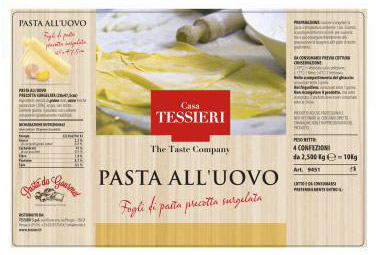
  • tessieri
  • deo-spray
  • forst
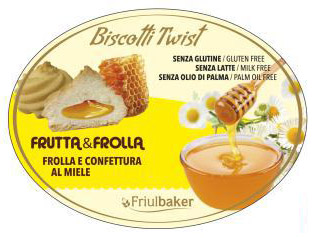
  • biscotti-swist
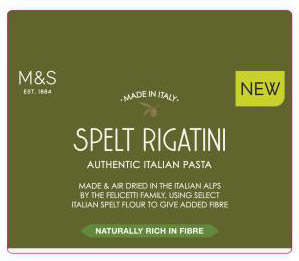
  • spelt-righatini
  • felinese
  • bio-bebe

BEL ist ein Südtiroler Exzellenzunternehmen, das sich – im Laufe von mehr als 50 Jahren – in der Herstellung von erstklassigen, personalisierten Etiketten für alle Warenbranchen spezialisiert hat.

Dank der zahlreichen Erfahrungen und dem riesigen Know How, die BEL erworben hat, wurde das Easy LaBEL System® entwickelt: die erfolgreiche Methode, die jedem Unternehmen den Einkauf und die Anfertigung der Etiketten für die eigenen Produkte erleichtert.

Für eine Firma oder für ein Großhandelsunternehmen können die Etiketten beträchtliche Ressourcen erfordern, sowohl im Sinne von Kosten als auch im Hinblick auf Zeitaufwand und Energie. Grund dafür ist die Notwendigkeit, jede Phase genau zu programmieren, wie z.B.:


Projektierung und Design

Nachbestellung

Logistik

Druckqualität

Materialqualität

Lieferzeiten
Entsprechung der Normen

Nach mehr als einem halben Jahrhundert Erfahrung und ständigen Verbesserungen, haben wir den besten Service, den man auf dem Markt finden kann entwickelt. Sie werden den kompletten und personalisierten Dienst erhalten, den Sie sich immer gewünscht haben.

Die Kommunikation der Qualität Ihres Produktes läuft auch durch die Etikette!

Etiketten sind heutzutage nicht nur eine Fläche für verbindliche Informationen, sondern ein wichtiges Kommunikationsmittel mit Ihren Kunden. Etiketten können wirklich den Unterschied machen: sie gut zu gestalten ist entscheidend um die Kundenbindung mit Ihren Zielkunden zu verstärken.

Wählen Sie das Easy LaBEL System® von BEL! Sie werden Ihrem Unternehmen die Präzision und die Flexibilität des besten “made in Italy“ Service garantieren.

Laden Sie sich unsere Broschüre herunter

  • “Sich auf einen Partner wie BEL verlassen zu können ermöglicht uns, sehr proaktiv unseren Kunden gegenüber zu sein. Unsere Ideen werden in kurzer Zeit durch interessante und kompetitive Lösungen realisiert.”

    Riccardo Felicetti
    Pastificio Felicetti

  • “Mit der Firma BEL haben wir einen zuverlässigen, soliden und kompetenten Lieferanten gefunden.
    Dank der wertvollen Beratung ihres Teams, haben wir Lösungen gefunden und entwickelt, die unserem Produkt einen großen Mehrwert verliehen haben“

    Fabrizio Ascheri
    La Felinese Salumi

Möchten Sie mit eigenen Augen die Einfachheit und Wirksamkeit des Easy LaBEL System® sehen?

Kontaktieren Sie uns sofort und entdecken Sie alle Vorteile einer Zusammenarbeit mit BEL!